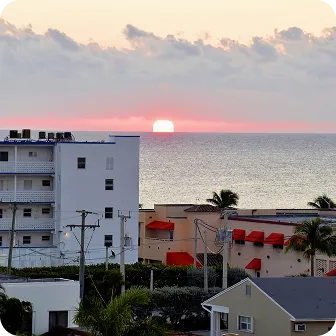
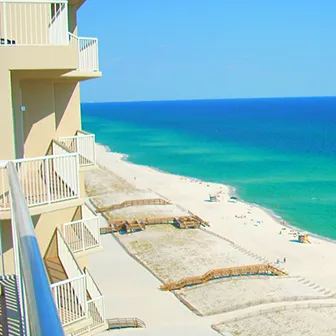
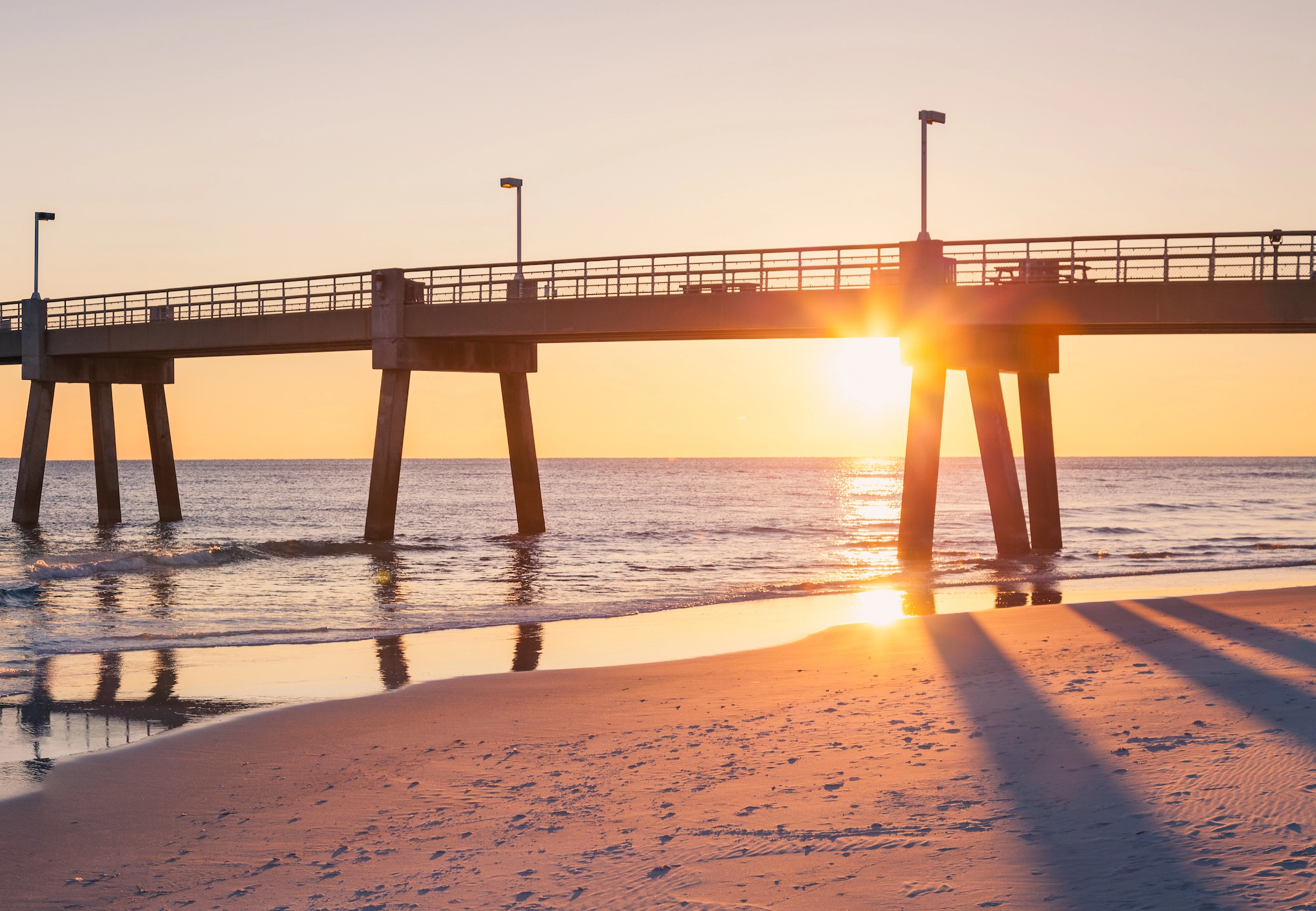
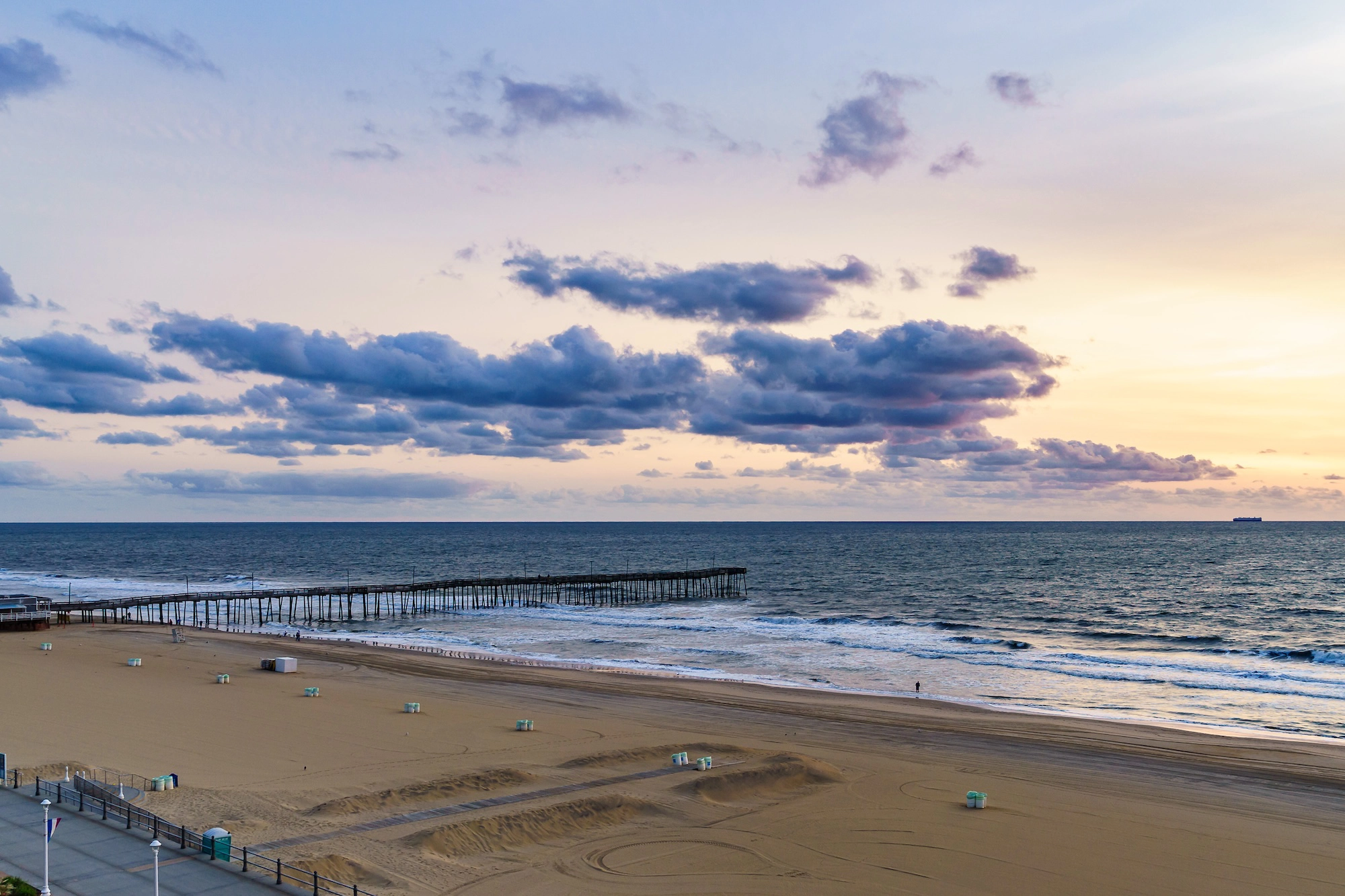
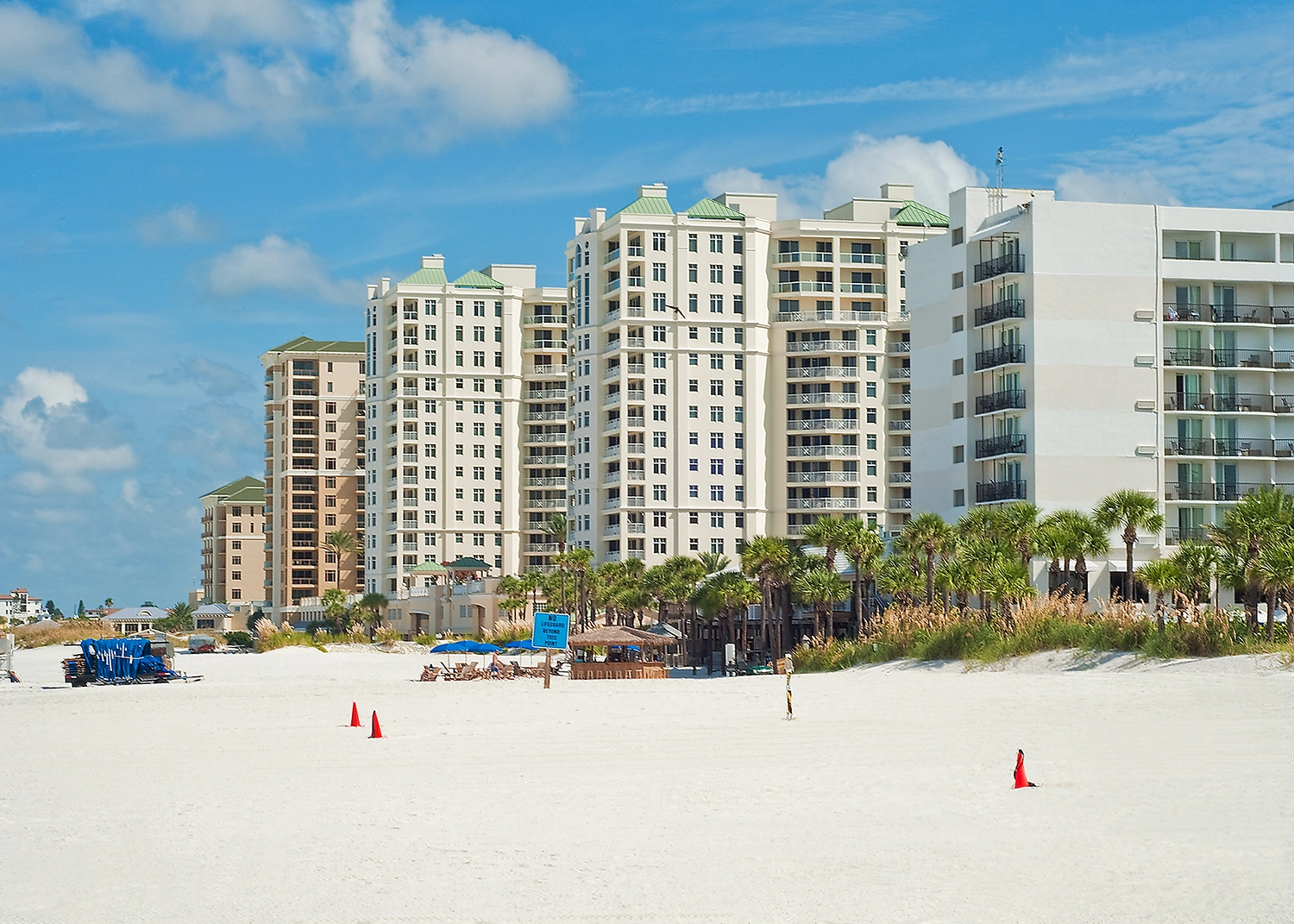
Singer Island is a four-mile barrier island with roughly twenty condominium buildings and essentially no single-family rental inventory. That makes it one of the most structurally distinct rental markets in Palm Beach County — almost every decision an owner makes here is governed by a condominium association rather than by the open market. Minimum lease terms, seasonal restrictions, approval processes and amenity access are all set at building level, and they vary enormously from one tower to the next. Two buildings a quarter-mile apart can operate under completely different rules, which is why our guide to rental restrictions in HOA communities matters more here than almost anywhere.
How Singer Island rents break down
As of this writing, older and interior-facing two-bedroom condos generally run from the low-$2,000s into the low-$3,000s, ocean-view and updated two-bedrooms from roughly $3,000 into the mid-$5,000s, and resort-branded or luxury residences well into five figures — particularly furnished during season. A no-obligation rental analysis accounts for your specific building's rules:
- The value tier — older low-rise and garden-style condo communities set back from the oceanfront, typically the island's most accessible price point and its most consistent year-round occupancy.
- The mid-tier oceanfront towers — updated two-bedroom units with ocean and Intracoastal views, the island's most active annual rental segment.
- Luxury and resort-branded residences — hotel-branded and newer high-rise product at the north end, operating closer to a hospitality model than a conventional rental and carrying correspondingly different management demands.
The building rules that govern your rental
Minimum lease terms are set by the building, not by you. Some buildings permit short seasonal stays; others enforce three-month, six-month or twelve-month minimums and cap the number of leases per year. An owner underwriting a seasonal strategy in a building that permits one annual lease has underwritten the wrong property. Confirm this at the association, in writing, before purchase.
Seasonality is more extreme here than anywhere inland. The November-through-April window changes both achievable rate and applicant volume dramatically — our overview of seasonal rental trends in Palm Beach County puts numbers to it. Furnished seasonal rates can run multiples of the annual equivalent, but summer carrying cost is real, and the right strategy depends on the building's rules as much as your cash-flow tolerance. Our vacancy loss calculator helps model the summer gap.
Association approval and amenity transfer. Expect association applications, per-applicant fees, screening and multi-week approval windows. At buildings with resort amenities, tenant access to pools, fitness, beach service and parking may require separate registration — and a tenant paying premium rent who arrives to find no amenity access has a legitimate and entirely preventable grievance. We verify this alongside our own 12-point tenant screening before a lease is signed.
Structural reserve assessments. Florida's post-Surfside reserve requirements hit oceanfront high-rises hardest, and salt-air exposure accelerates the concrete and railing work those reserves fund. Assessment status is material in any purchase or rental underwriting here. Interior updates that keep a unit competitive run through renovation and make-ready coordination, and ongoing repairs through round-the-clock maintenance coordination.
Owners who spend part of the year elsewhere often pair management with home watch and estate care. All owners receive monthly owner statements alongside automated rent collection, under transparent pricing and eight written guarantees.
The island sits within Riviera Beach, with Palm Beach Shores occupying its southern tip and North Palm Beach across the Intracoastal. See our county-wide service or browse current listings.