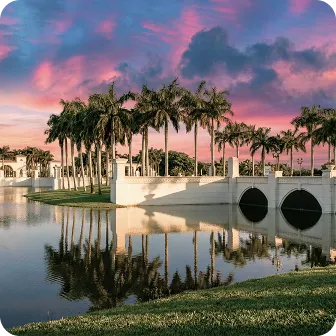
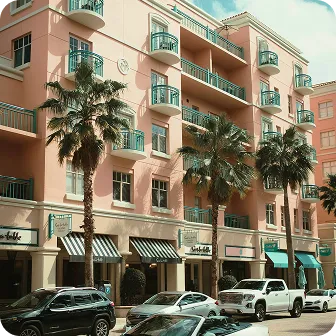
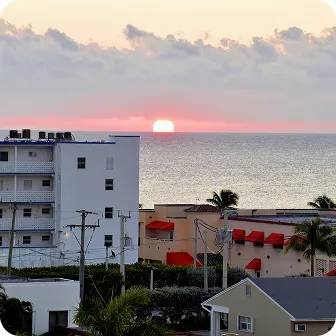
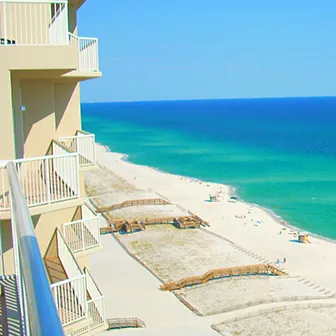
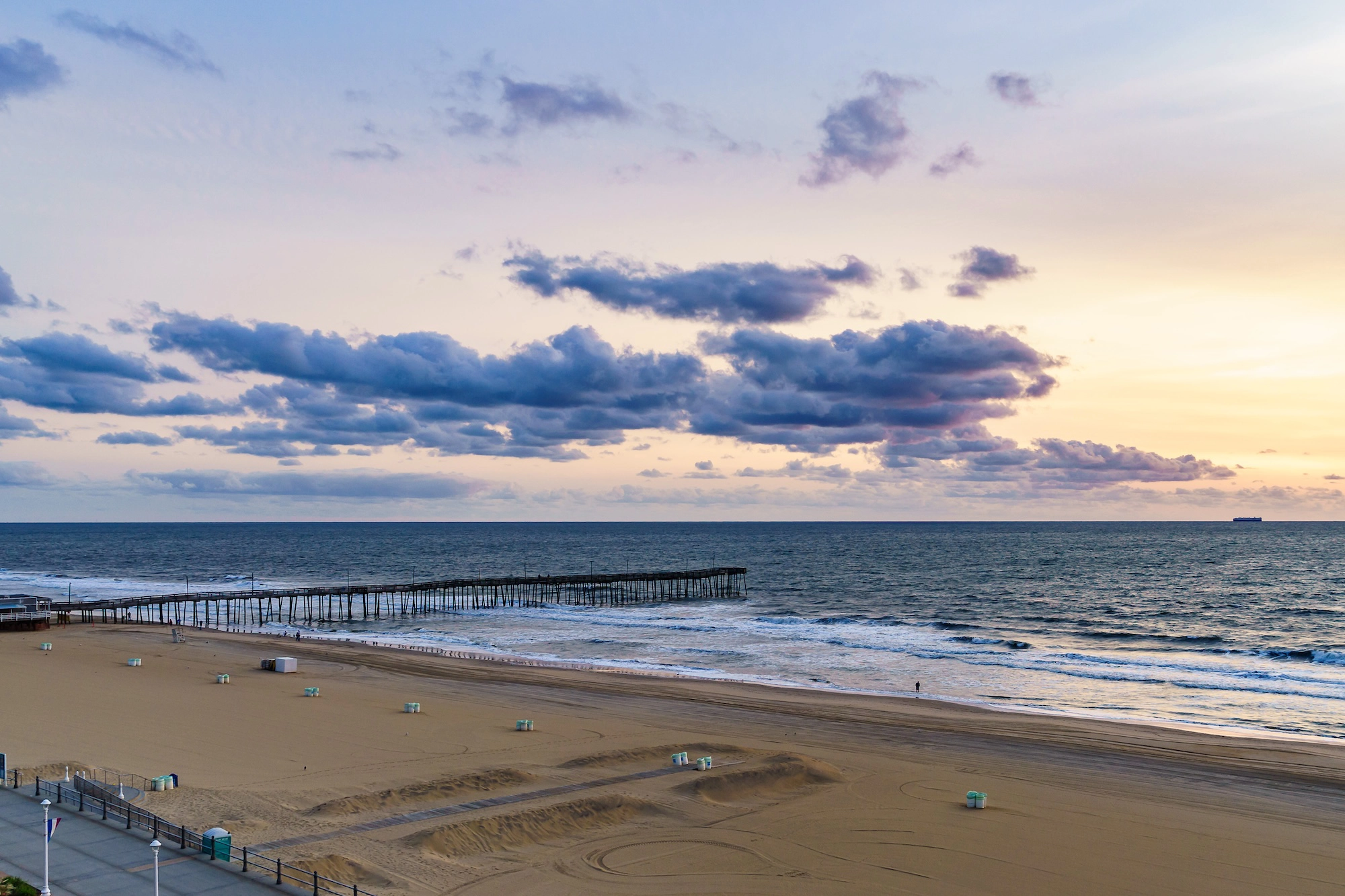
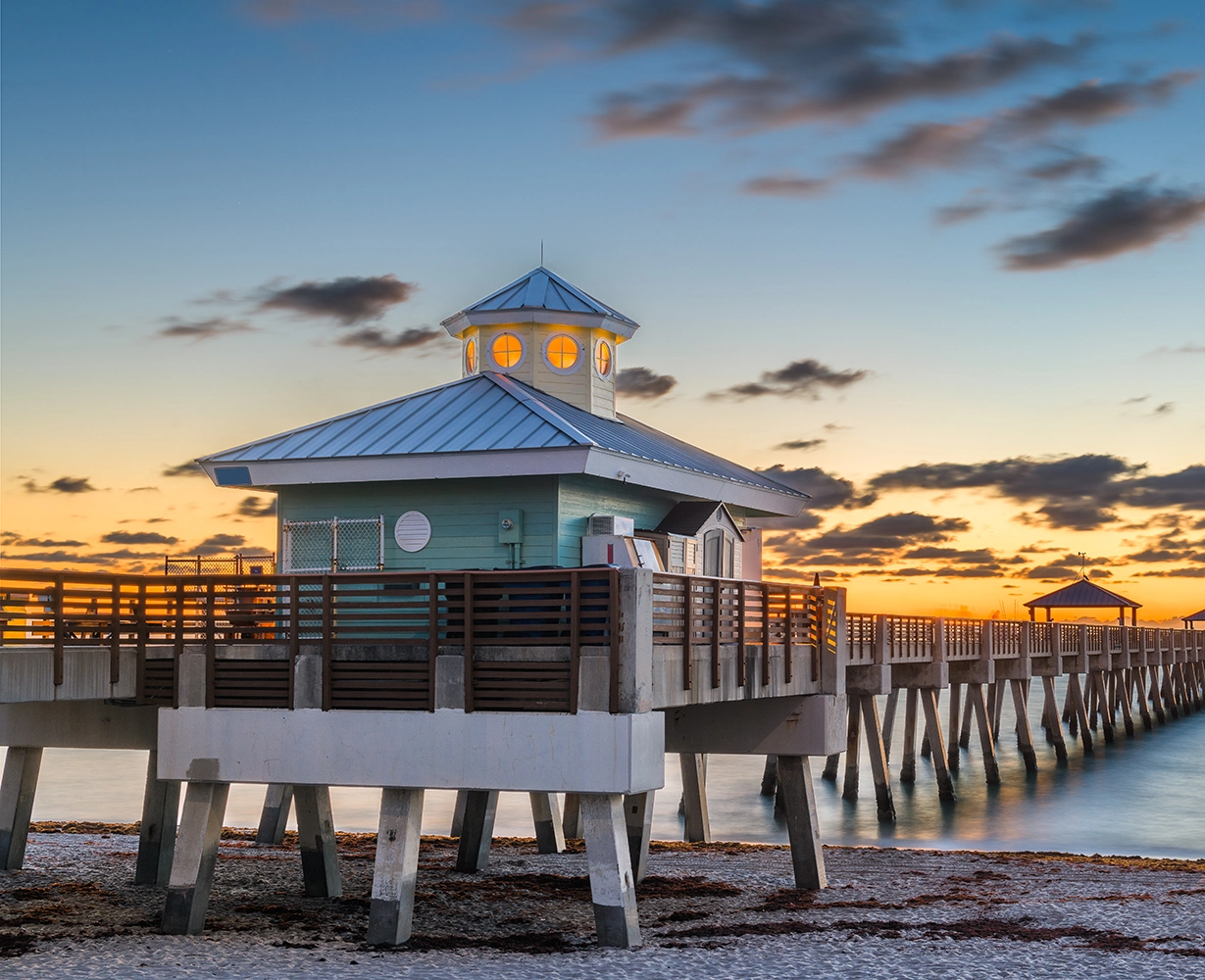
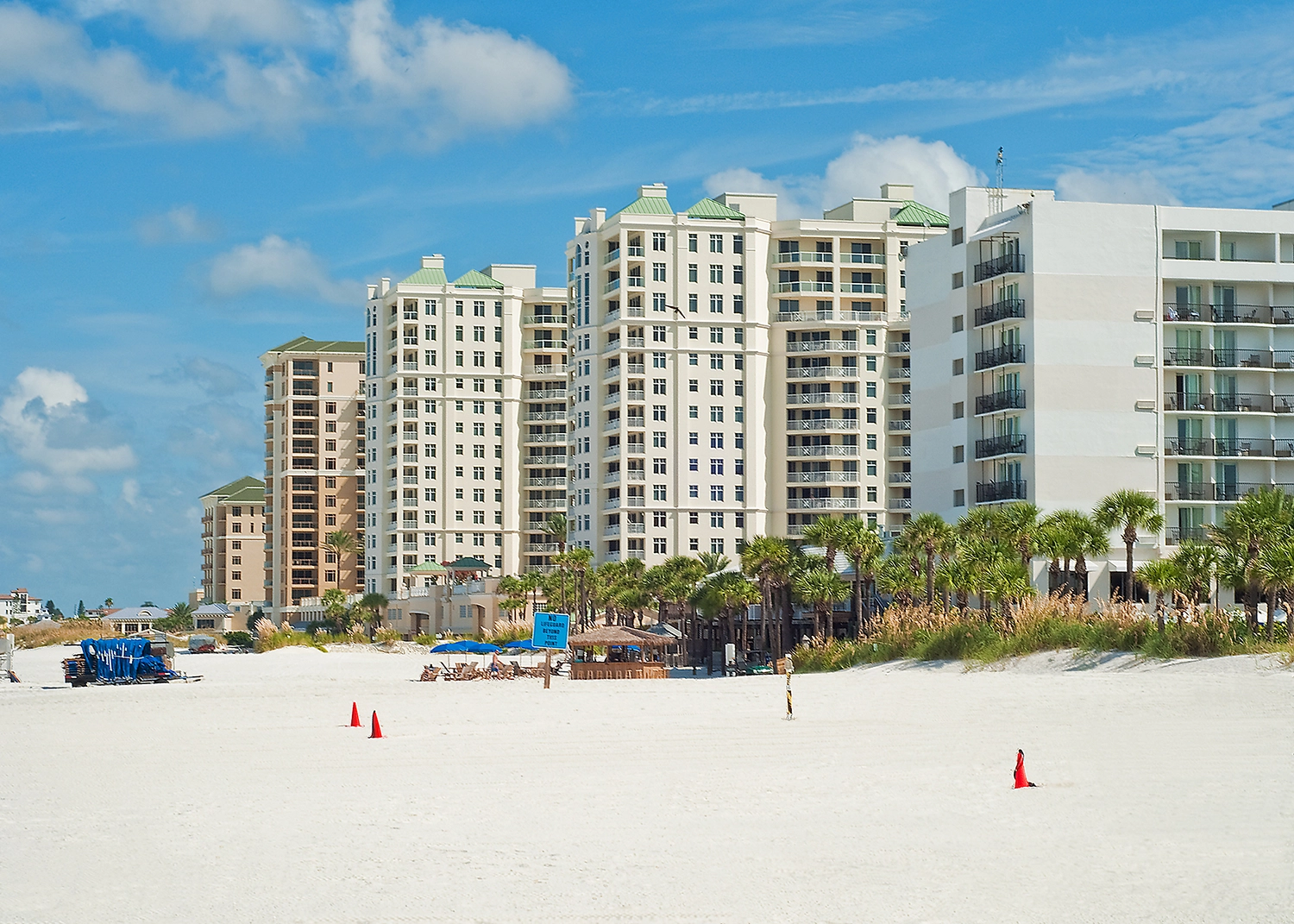
Juno Beach is a small coastal town between Jupiter and North Palm Beach, and its rental market is defined by two things: a housing stock weighted heavily toward oceanfront and near-beach condominiums, and a tenant pool drawn substantially from affluent retirees, seasonal residents, and professionals working in the Palm Beach Gardens medical and corporate corridors immediately inland. That combination produces steadier year-round demand than a purely seasonal beach town, but with a condominium-governed structure that decides most of what an owner can actually do.
How Juno Beach rents break down
As of this writing, condominium rentals generally run from the high-$1,000s into the low-$3,000s depending on building and ocean proximity, with single-family homes and direct oceanfront inventory running considerably higher. A rental analysis accounts for your building's rules:
- Direct oceanfront condominiums — the premium tier, where views and beach access drive the rent and the building's own rules drive the strategy.
- Near-beach and ocean-block condominiums — the town's core rental inventory, walkable to the beach at an accessible price point with consistent demand.
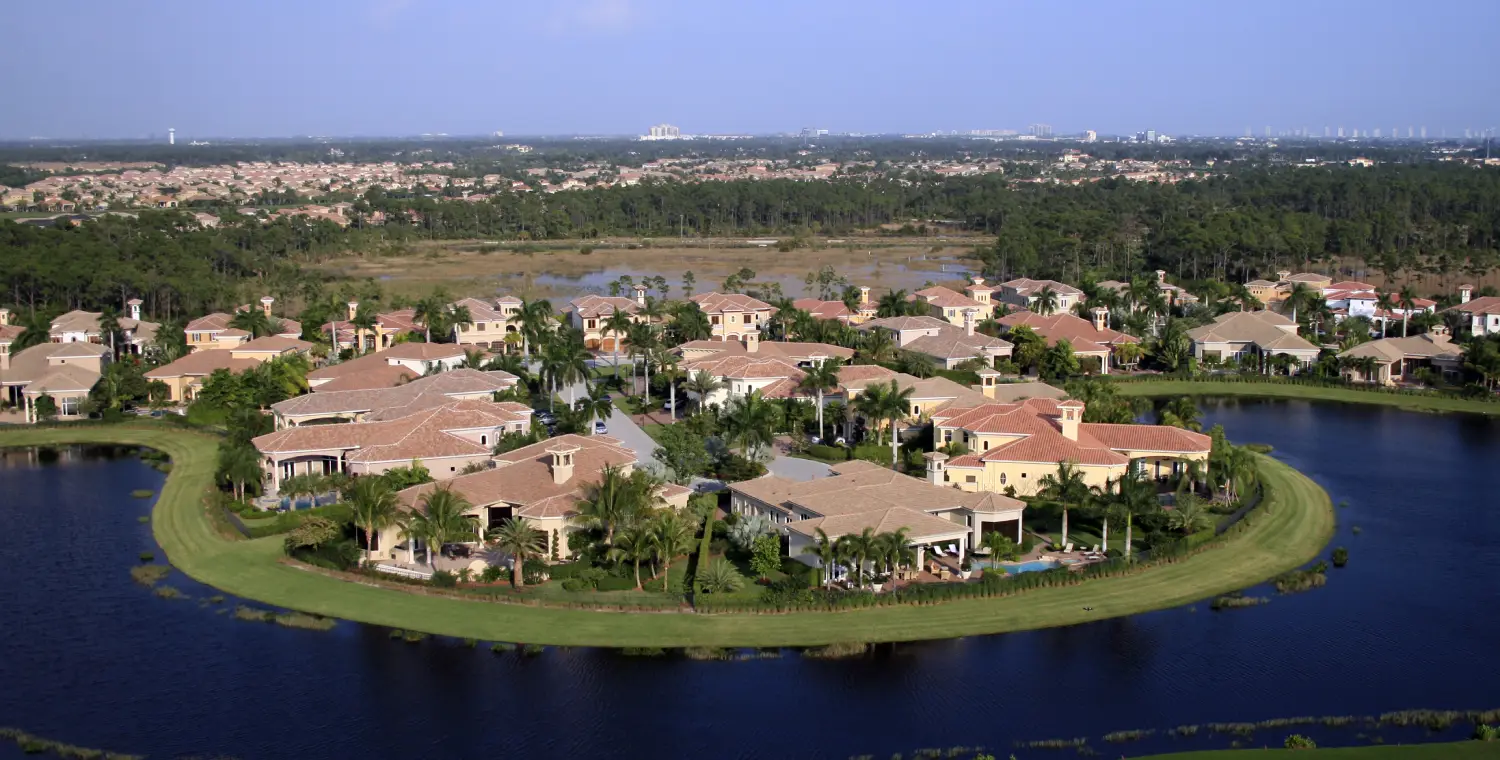
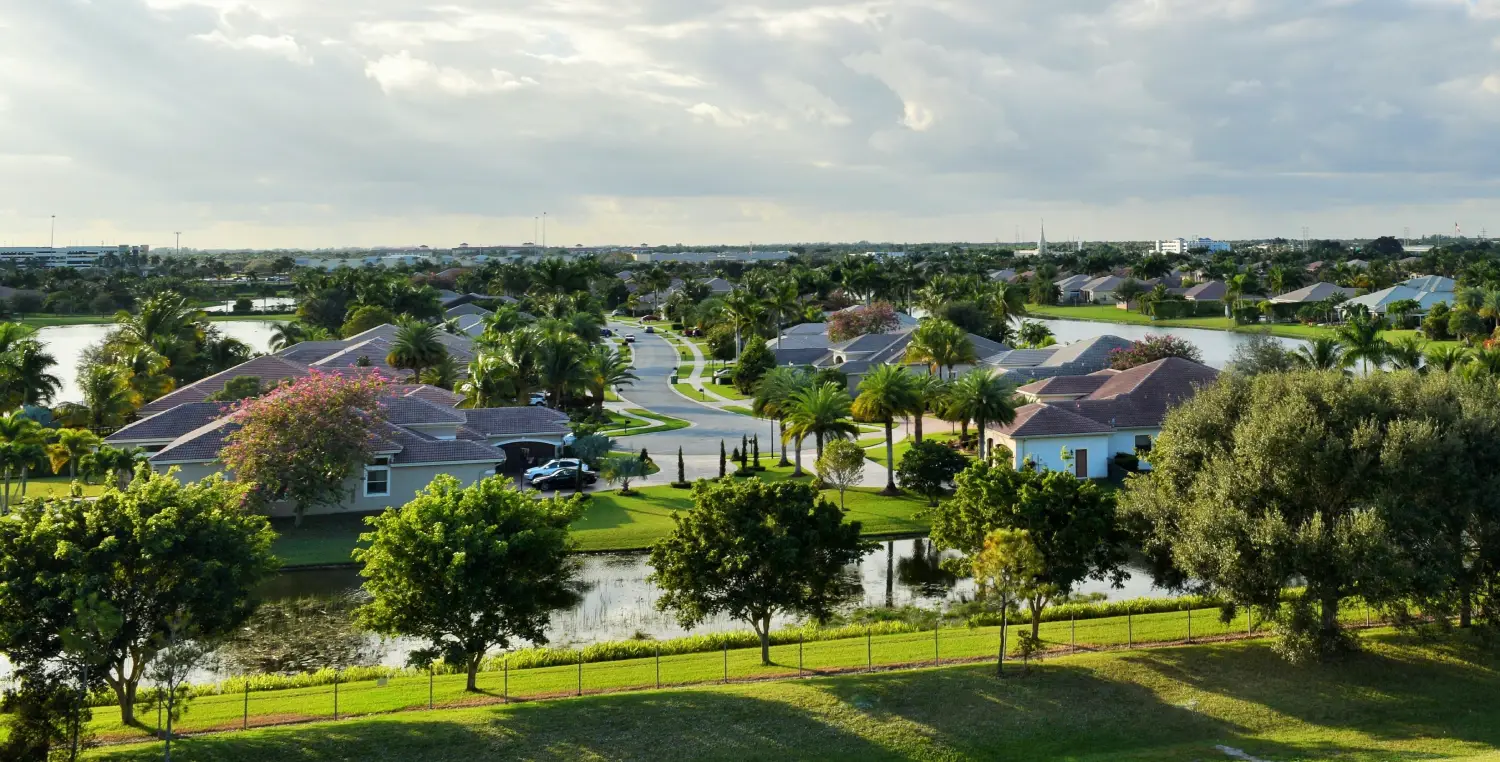
- Single-family inventory — limited in supply relative to condominiums, which tends to support pricing when a well-presented home does come available.
- Intracoastal-side properties — water access and, where available, dockage, with a tenant profile that prioritizes it.
What shapes leasing in this town
The medical and corporate corridor is the demand engine. Proximity to the Palm Beach Gardens medical and employment corridor gives Juno Beach a professional tenant pool that is far less seasonal than a beach location alone would suggest. Marketing deliberately to that pool rather than treating the town as purely a seasonal beach market is what shortens vacancy here — see our rental marketing.
Business tax receipts and registration. Rentals here generally require a Town of Juno Beach and Palm Beach County Business Tax Receipt, and short-term rentals carry additional state licensing and tourist-tax obligations. Confirm current requirements before listing rather than after.
Condominium rules decide the strategy. Minimum lease terms, annual rental caps, post-purchase waiting periods and approval processes are all set at building level and vary substantially between buildings a few hundred yards apart. Our guide to HOA and association leasing rules covers what to verify, and our thorough tenant screening runs in parallel with association review.
Coastal exposure changes the maintenance budget. Oceanfront and ocean-block exposure accelerates corrosion on railings, exterior fixtures, hardware and HVAC condensers. Reserves should run above an equivalent inland property, and maintenance coordination with AI-assisted triage keeps small corrosion issues from becoming replacements. Our guide to storm hardening and insurance covers the mitigation that affects premiums.
Seasonality is real but moderated. The November-to-April window lifts pricing power as it does across the coast, but the inland employment base keeps year-round demand steadier than in a purely seasonal town. Our overview of seasonal rental trends covers the pattern.
Owners receive automated rent collection, monthly owner statements, eviction protection and estate care and home watch where wanted, under pricing and eight written guarantees.
Juno Beach sits between Jupiter to the north and North Palm Beach to the south, with Palm Beach Gardens directly inland. See our full Palm Beach County coverage.