Rent Collection Case Study · West Palm Beach, Florida
From Informal Collections to 100% On-Time: A West Palm Beach Triplex Delinquency Resolution Case Study
How Atlis Property Management replaced a chronically informal rent collection system with formal online protocols and consistent enforcement — achieving 100% on-time collection across all 3 units within 60 days.
60 days
To 100% On-Time Collection
3 of 3
Units Paying On Time
$840
Late Fees Collected Yr 1
12 months
Sustained On-Time Rate
Overview
Formal, consistently enforced rent collection produces on-time payments and predictable cash flow. Informal, relationship-based collection produces the opposite: chronic late payments, partial payments without documentation, and a landlord-tenant dynamic where the tenant understands — consciously or not — that the payment date is a suggestion. This case study documents a West Palm Beach triplex where all three units were paying on an informal basis — and how Atlis replaced the informal arrangement with a formal online collection infrastructure that achieved 100% on-time payment within 60 days.
Jean Taveras — Broker-Owner, Atlis Property Management
Licensed Florida Real Estate Broker · 600+ Properties Managed Across Palm Beach County
Informal rent collection is a choice that costs money every month. When a tenant knows you'll accept payment whenever they have it, that's when they pay. When they know you'll post a 3-day notice on day 4 and file in court by day 8, they pay on time. The behavior follows the system. Build the system — the behavior changes within 30 to 60 days.
The Property & Owner Situation
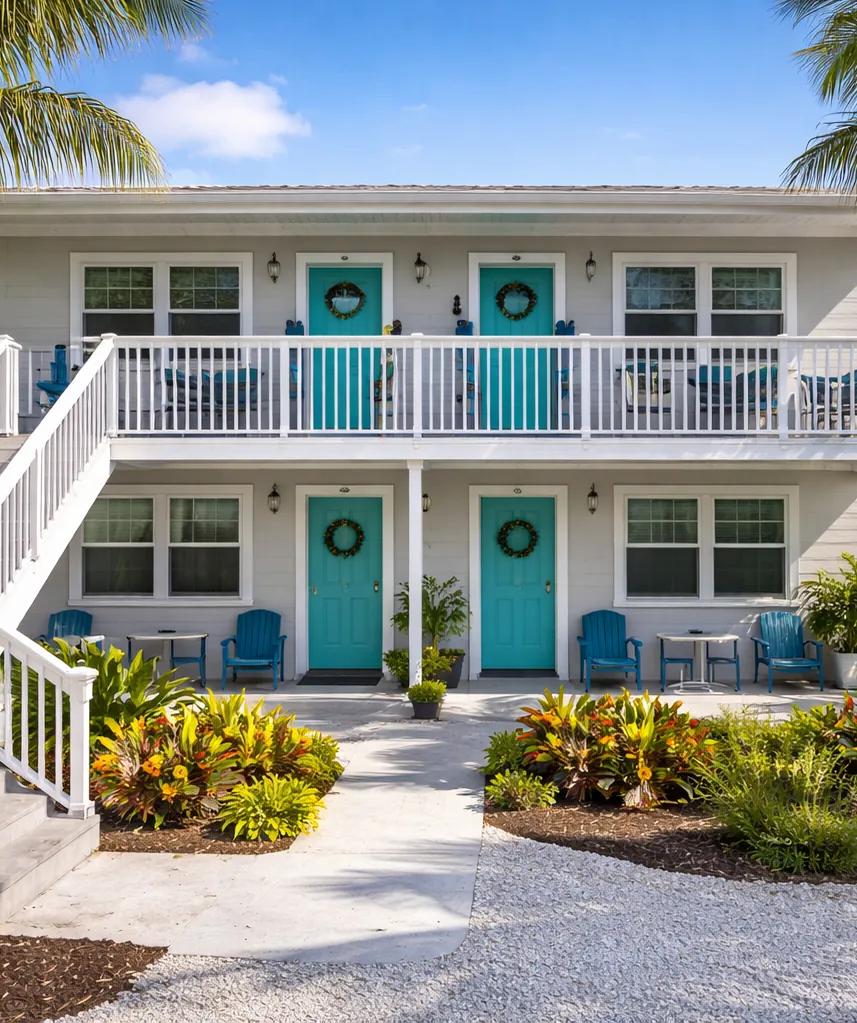
The West Palm Beach triplex had three residential units occupied by long-term tenants with 18–48 months of tenancy history. Each tenant had an informal payment arrangement: Unit A paid by check on the 3rd–7th; Unit B paid cash in person on varying dates between the 1st and 14th; Unit C split rent into two payments across the month. None of these arrangements were documented in the leases. None triggered formal responses when late. The owner's monthly cash flow was unpredictable — he often didn't know by the 20th whether all three units had paid in full.
The Challenge
Formalizing an informal collection system with established tenants requires careful sequencing to establish new standards without triggering defensive reactions.
Long-Standing Informal Arrangements
Tenants with 18–48 months of informal payment history have established expectations. Introducing formal protocols — due dates, online portal, late fees — needs to be communicated as an administrative improvement, not a punitive change.
No Documented Late Fee Provisions
None of the three leases had properly documented late fee provisions complying with Florida law. Florida requires late fees to be specified in the lease. Implementing them required lease amendments before enforcement could begin.
Cash Payment from Unit B
Unit B's cash payment practice created a documentation gap: no audit trail, no receipts, and periodic disputes about whether payment had been received. Transitioning to electronic payment required specific communication and a clear benefit framing for the tenant.
No Formal Grace Period Structure
No lease specified a formal grace period or the day late fees applied. Florida provides no statutory grace period for monthly rent — landlords can specify one in the lease. Establishing the structure required amendments across all three units.
Before and After: Rent Collection Performance (This West Palm Beach Triplex)
This comparison shows rent collection outcomes before and after Atlis implemented the formal collection protocol across all three units.
Avg. days to full month rent collected
Late fees collected
Owner monthly cash flow predictability
Payment disputes
1.2 days
$840 (12 months)
Confirmed by 3rd of month
0
14.3 days
$0 (informal, unenforced)
Unknown until mid-month
3–4 per year (cash, no receipts)
Online portal + first-of-month expectation changed the pattern
Documented late fees created real financial consequence
Predictable cash flow is the product of a formal system
Electronic records eliminate all payment disputes
Free Service · No Obligation
Free West Palm Beach Rental Analysis From Atlis
See what your West Palm Beach rental should command in today's market — with live comparable data from Atlis's active portfolio.
Get My Free Rent Analysis3801 PGA Blvd., Suite 600, Palm Beach Gardens, FL 33410 · (561) 473-3664
Strategy & Implementation
1. Lease Amendments for All Three Units
Atlis prepared lease amendments establishing: rent due the 1st, 5-day grace period, $50 late fee on day 6 plus $10/day thereafter (capped at $200/month), and payment exclusively through the online portal. All three tenants signed within 14 days — framed as an administrative update that also provided them a convenient payment portal with automatic receipts.
2. Online Payment Portal Onboarding
All three tenants were onboarded to the portal within 7 days of amendment execution, with individual walkthroughs showing autopay enrollment and payment receipt functionality. Unit B's cash-payment resistance was directly addressed: the portal provided the receipt documentation the tenant had never had with cash payments — a genuine benefit, not a restriction.
3. Consistent Late Notice Enforcement
Atlis established and communicated the enforcement calendar: day 6 late fee applied automatically; day 4 of the grace period, written late notice via portal and text; day 10, formal 3-day demand notice. The protocol was enforced identically every month — no exceptions for relationship or history. Consistency is what makes the protocol effective as a behavioral deterrent.
The Results
100%
On-Time Within 60 Days
$840
Late Fees Collected Yr 1
0
Cash Payments After Portal
Zero
Payment Disputes
By the second full month under the new protocol, all three units were paying on time through the online portal. The informal arrangement that had produced unpredictable cash flow for years was replaced within 60 days. Twelve months after implementation: 100% on-time collection, zero cash payments, $840 in collected late fees, and zero payment disputes. The owner's comment at the 12-month review: "I used to spend the first two weeks of every month chasing rent. Now I check the portal on the 3rd and it's just there."
Common Mistakes Owners Make in This Situation
⚠ Accepting informal arrangements without documented lease terms
Informal payment arrangements that diverge from lease terms create enforceability problems. Document any variation from standard terms — or don't accept the variation.
⚠ Avoiding formal late notices out of relationship concern
The fear that a formal late notice damages the relationship is almost always unfounded. Tenants who understand consequences pay on time. Informal expectations damage the relationship over time — not the formal protocol.
⚠ Accepting cash without receipt documentation
Cash payments without receipts create disputes, audit risks, and tax documentation problems. Every payment needs an electronic or written audit trail.
⚠ Not specifying late fees in the lease
Florida allows late fees only if specified in the lease. An unspecified late fee is unenforceable. Every Palm Beach County lease should specify the due date, grace period, and exact late fee structure.
Free Operational Audit
Get a Free Operational Audit of Your Palm Beach County Rental
We review rent pricing, vacancy patterns, maintenance spend, and management gaps — then give you a clear action plan at no cost.
Who This Case Study Applies To
Any landlord — single-family, duplex, triplex, or small multifamily — currently accepting rent informally, experiencing chronic late payments, or without a documented late notice protocol. These are among the most common self-management patterns in Palm Beach County and every one is directly fixable with the right systems.
The Hyperlocal Context: West Palm Beach Rent Collection Standards and Behavioral Norms
West Palm Beach's rental market spans a wide range of tenant income profiles. Across all tiers, formal collection systems produce better on-time payment rates than informal ones. The behavioral pattern is consistent: tenants pay to the standard they are held to. Atlis's rent collection protocol — online portal, automated late fees, day-4 written notice, day-10 3-day demand — achieves 97%+ on-time collection across its West Palm Beach portfolio.
Frequently Asked Questions
What This Case Study Demonstrates
- How a formal online collection protocol with consistent enforcement achieved 100% on-time payment from chronic informal payers within 60 days
- The lease amendment process for implementing late fee provisions with existing long-term tenants
- Why informal rent collection is a systems problem, not a tenant relationship problem
- How electronic payment replaces cash with a documented, dispute-free audit trail
- West Palm Beach rent collection behavioral norms across tenant income tiers
Key Takeaway
Rent collection behavior follows the system you build. Build the system.
Three tenants with chronic late payment histories were paying on time within 60 days of Atlis implementing a formal protocol. The tenants didn't change — the system did. Online portal, documented due date, automated late fees, consistent 4-day notice. That's the entire intervention.
Dealing with Late Rent or Informal Collection in Your Palm Beach County Rental?
Atlis implements formal rent collection protocols across all managed properties — online payment, automated late fees, and a consistent escalation structure that achieves 97%+ on-time collection. Let's talk about your property.
Get a Free Property Analysis Call 561.473.36643801 PGA Blvd., Ste. 600, Palm Beach Gardens, FL 33410 · info@atlispm.com